Preparing your plumbing for a Kenosha winter: tips and tricks
Learn how to prepare your plumbing for the harsh Kenosha winter with effective tips and tricks to avoid freezing pipes and costly repairs.
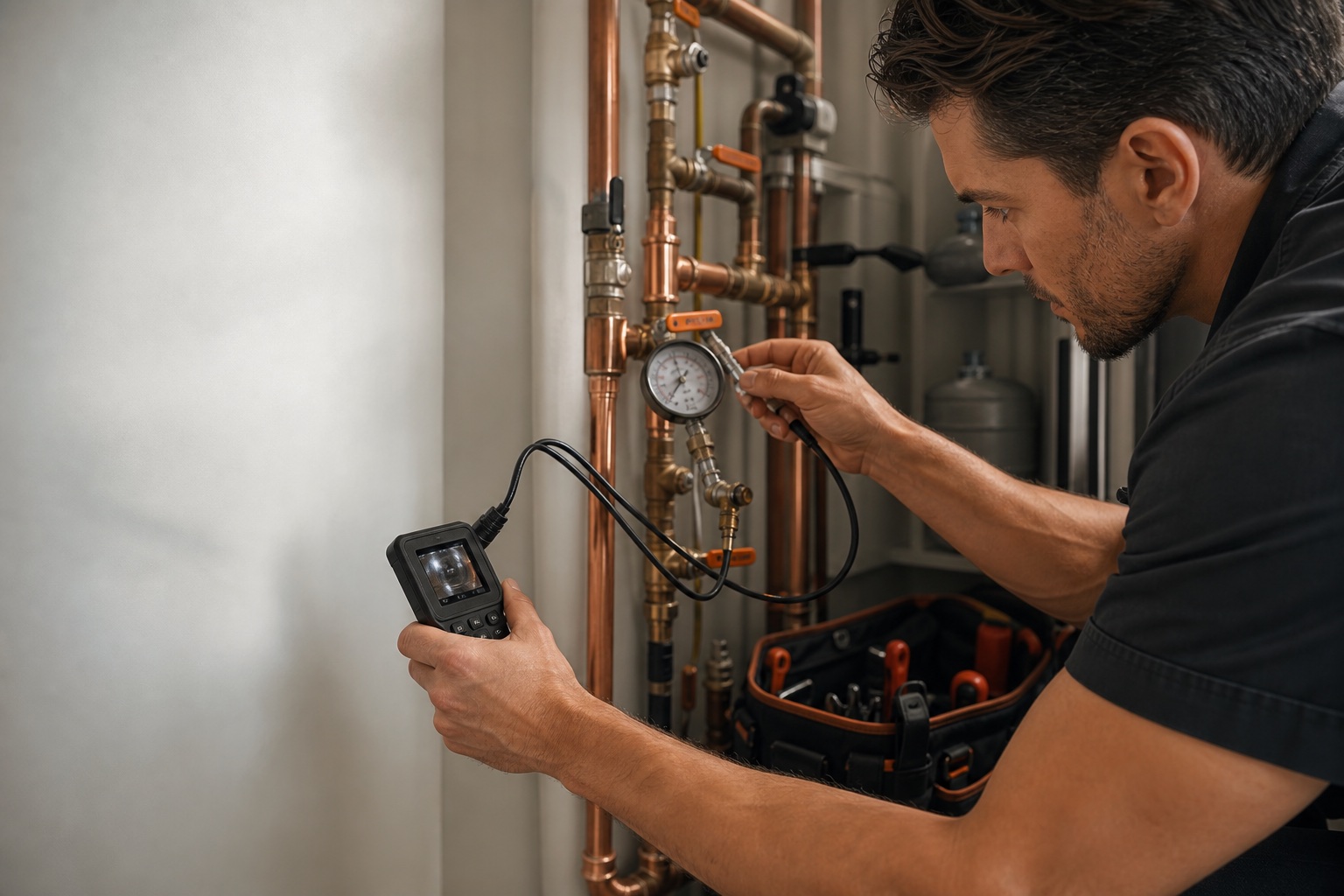
Preparing your plumbing for a Kenosha winter is crucial to prevent freezing pipes and costly repairs. Homeowners should take proactive steps to protect their plumbing systems as temperatures drop. This article provides essential tips and tricks to ensure your plumbing is winter-ready in Kenosha.
Winter plumbing preparation is a series of actions taken to safeguard your plumbing system against the harsh winter conditions typical in Kenosha, Wisconsin. This includes insulating pipes, draining outdoor faucets, and identifying potential issues before they escalate.
Why winter plumbing preparation is essential
Winter plumbing preparation is essential in Kenosha because the region experiences freezing temperatures that can lead to burst pipes and extensive water damage. In January, average lows can drop to 10°F, increasing the risk of plumbing failures. Taking preventative measures can save homeowners from expensive repairs, which can range from $500 to $5,000 depending on the extent of the damage.
How to insulate your pipes
Insulating your pipes is one of the most effective ways to prevent freezing. In Kenosha, you should focus on areas that are prone to cold, such as basements, attics, and exterior walls. Use foam pipe insulation or heat tape, which can be found at local hardware stores.
- Measure the diameter of your pipes to buy the correct size insulation.
- Apply insulation to all exposed pipes, especially those near windows and doors.
- Consider using heat tape on particularly vulnerable sections.
By ensuring that your pipes are insulated, you can significantly reduce the risk of freezing, which is especially important for homes in neighborhoods like Downtown Kenosha where older plumbing systems may be more susceptible.
What to do with outdoor faucets
Outdoor faucets are particularly vulnerable during winter. To prevent freezing, you should:
- Shut off the water supply to outdoor faucets.
- Drain the remaining water from the faucet and hoses.
- Install insulated covers or faucet socks to provide additional protection against the cold.
Taking these steps can help you avoid the hassle and expense of emergency plumbing services in Kenosha, WI due to burst pipes.
Signs of potential plumbing issues
Being aware of the signs of potential plumbing issues can help you address problems before they worsen. Look for:
- Unusual water pressure changes.
- Frost on pipes or fixtures.
- Unexplained water bills.
- Strange noises coming from your plumbing system.
If you notice any of these signs, it may be time to consult with a plumber for homes in Kenosha to perform a thorough inspection.
Common mistakes to avoid
Many homeowners make mistakes during winter preparation that can lead to plumbing issues. Here are some common pitfalls:
- Neglecting to insulate pipes in unheated areas.
- Failing to disconnect garden hoses from outdoor faucets.
- Ignoring signs of leaks or pressure changes.
- Not knowing the location of shut-off valves for emergencies.
Being aware of these mistakes can help you maintain a functional plumbing system throughout the winter months.
When to call a professional
Knowing when to call a professional is crucial for maintaining your plumbing system. If you encounter persistent issues like low water pressure, frequent leaks, or signs of freezing, it's time to reach out to emergency plumbing services Kenosha, WI. Professionals can provide the expertise needed to prevent further damage and ensure your plumbing is winter-ready.
Frequently Asked Questions
How can I tell if my pipes are frozen? You may notice a lack of water flow or hear strange sounds when you turn on the faucet. If this occurs, check for frost on exposed pipes.
What temperature should I keep my home to prevent freezing? Keeping your home at a minimum of 55°F is advisable to prevent freezing in your plumbing.
Can I use a hairdryer to thaw frozen pipes? Yes, but use caution. Start from the faucet and move backward to avoid further damage.
How often should I check my plumbing during winter? Inspect your plumbing at least once a month during winter to catch any issues early.
What should I do if a pipe bursts? Immediately shut off the water supply and call a professional plumber for assistance.